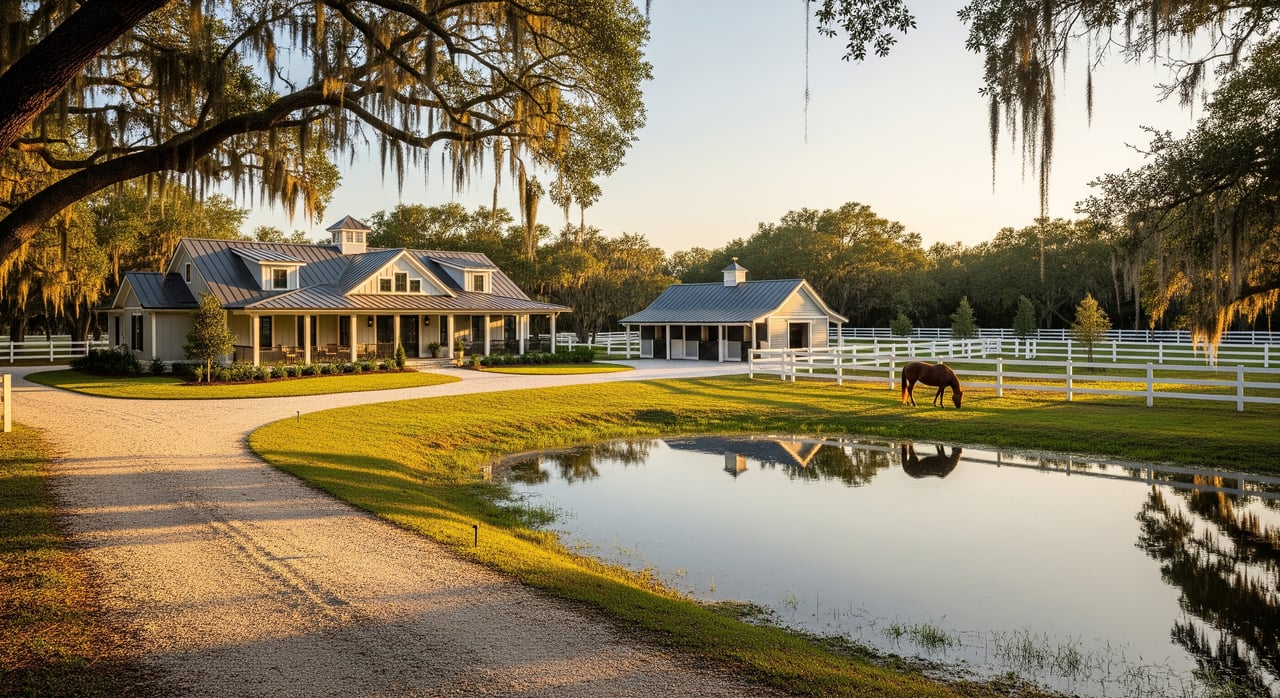
Dreaming of space for a few horses, a garden, and fresh air without managing a full-blown ranch? You’re not alone. Many South Florida buyers want room to roam with simple, residential comforts. In this guide, you’ll learn what a Florida ranchette is, how big they usually are, what zoning and utilities to expect in Palm Beach and Martin Counties, and how they differ from full-scale ranches. You’ll also get a clear buyer checklist to move from browsing to confident action. Let’s dive in.
What a ranchette means in Florida
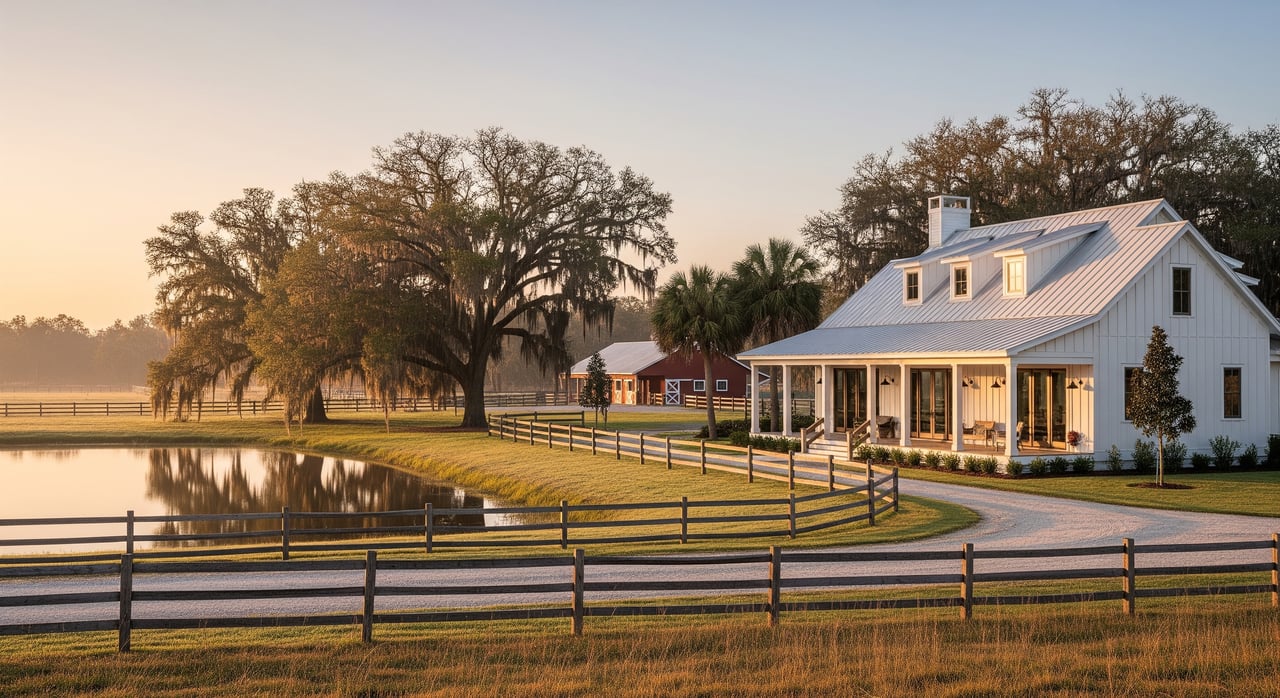
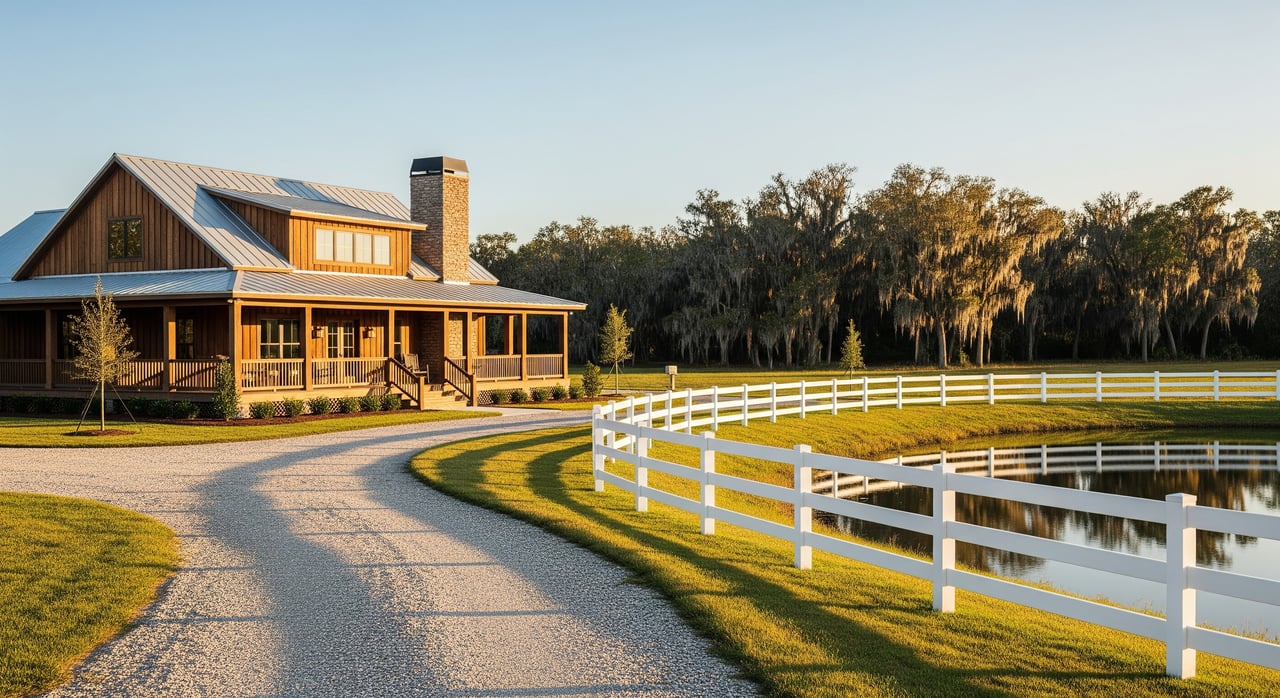
A ranchette is a small rural residential property set up for low‑intensity agricultural or hobby uses. Think a single-family home, a small barn or shed, a few horses or goats, chickens, and space for gardens and turnout. The focus is lifestyle more than commercial production.
The term is informal. It describes how the land is used and the parcel’s scale rather than a specific legal zoning category. In South Florida, you’ll see ranchettes clustered near suburban edges where larger tracts were subdivided into rural-residential lots marketed for equestrian or hobby-farm living.
Typical parcel sizes
Most ranchettes in South Florida range from about 1 to 10 acres. Many popular options sit in the 2 to 5 acre range, which offers room for a home, small barn, and paddocks without the upkeep of a large operation. Some “urban ranchettes” fall under 1 acre if local zoning allows animals and outbuildings. Full-scale ranches typically span tens to thousands of acres.
Common uses and amenities
- Home plus accessory structures. Expect a single-family residence with small barns, stables, or storage buildings.
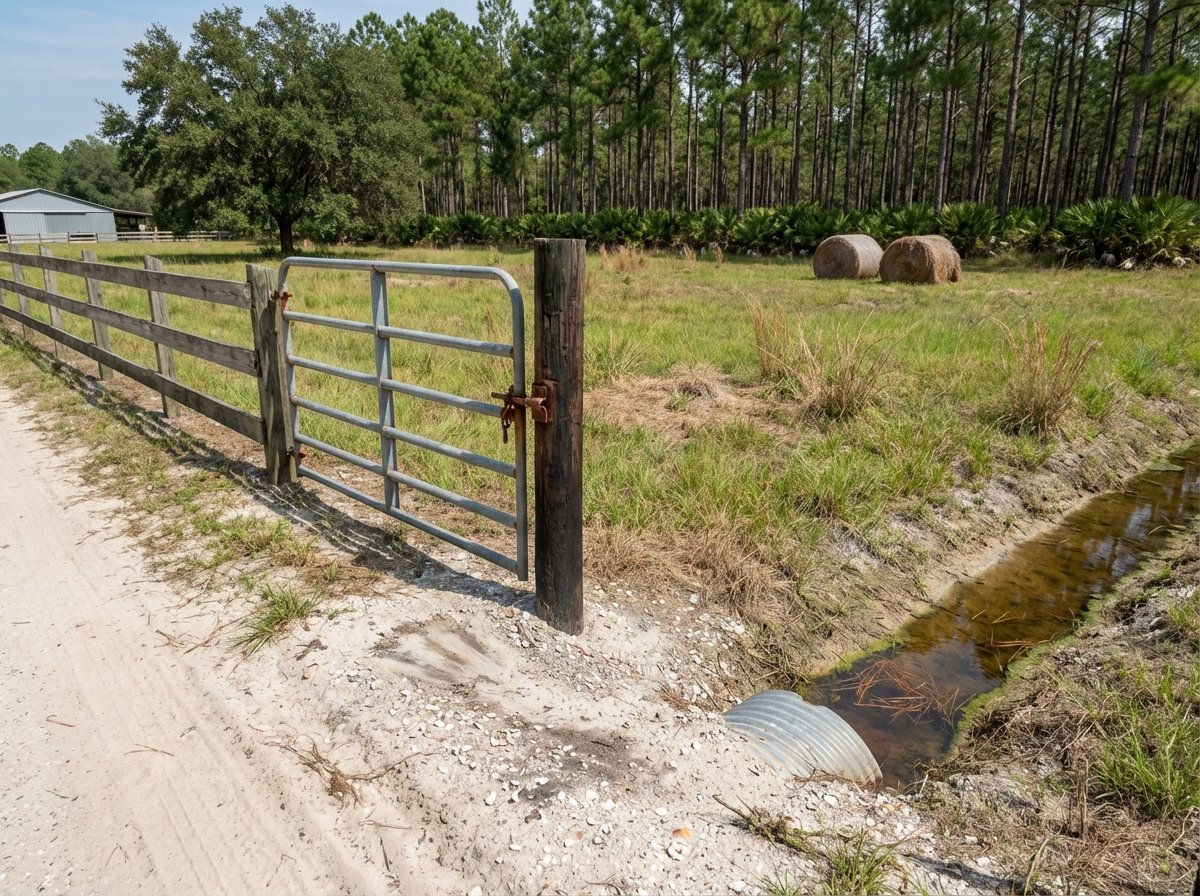
- Pastures and fencing. Modest pastures, paddocks, and fenced turnouts are common.
- Private well and septic. Many properties rely on a private well and septic system.
- Low commercial intensity. Ranchettes are not sized for large livestock operations or commercial crop production.
Zoning and land use basics
Two local planning tools shape what you can do on a parcel. The county’s Future Land Use designation guides broad policy. The zoning district implements that policy, setting lot sizes, setbacks, and allowed uses.
In Palm Beach and Martin Counties, you will see districts described as agricultural, agricultural‑residential, rural residential, or large-lot estate. Some areas have equestrian or horse-keeping overlays with specific standards. Conservation or wetland overlays can limit where you build and how you improve the site.
Before you write an offer, confirm the property’s Future Land Use, zoning district, and any recorded covenants or easements. These determine if you can keep certain animals, build barns or arenas, and where structures can go.
Permits and who to contact
- Homes and outbuildings. Work with the county building department or permitting office.
- Septic systems. County health departments handle septic permits and approvals.
- Wells and irrigation. The South Florida Water Management District may be involved in water-use and drainage matters, depending on scale, with county permitting for smaller wells.
- Environmental compliance. Even small properties must follow local environmental rules. Larger commercial agricultural operations carry broader requirements, but ranchettes still need to manage runoff and follow best practices.
- Agricultural classification for taxes. Florida offers an agricultural classification that can reduce property taxes when bona fide agricultural use criteria are met. Applications and documentation run through the county property appraiser following Florida Department of Revenue policy.
Utilities, access, and site conditions
Ranchettes balance privacy with a few rural realities. Plan ahead for utilities, roads, and site constraints so your build and day‑to‑day routine go smoothly.
Water, septic, power, internet
- Water. Many ranchettes use private wells. In some areas, municipal water may be available at the road. Always verify with the local utility.
- Wastewater. Septic systems are common. Feasibility depends on soils, lot size, and proximity to water bodies. Permits come through county health departments.
- Electricity. Regional utilities typically serve rural parcels, but remote lots may require a line extension at the buyer’s cost.
- Internet and phone. Broadband varies. Satellite or fixed wireless can fill gaps where cable or fiber is limited.
Road frontage and legal access
- Paved frontage. Paved county roads are easier for daily use and service access.
- Private or dirt roads. Some parcels are served by private or unpaved roads with recorded easements. Confirm legal ingress and egress.
- Maintenance. If a private road serves the property, you may share upkeep costs with neighbors or a homeowners’ association.
Soils, flood, and wetlands
- Wetlands and buffers. Parts of a parcel may include wetlands or regulated buffers that limit buildable area or require permits for alterations.
- Flood zones. Many rural South Florida parcels lie in FEMA flood zones. Elevation affects insurance requirements and building standards.
- Stormwater. County and water management rules guide how much impervious area you can add and when you must provide drainage or retention.
Insurance and financing
- Flood coverage. Flood insurance may be required in low-lying areas and can be a meaningful cost.
- Windstorm. Hurricane insurance is a major factor in South Florida. Review premiums and deductibles early.
- Lending. Some lenders are more selective with rural properties, especially those with well and septic or private road access. Discuss financing options before you shop.
Ranchettes vs full-scale ranches
Ranchettes are built for lifestyle and light agricultural uses. Full-scale ranches are designed for production and business operations.
- Scale and purpose. Ranchettes are small-acreage properties for owner use, typically with limited animals and minimal hired labor. Full operations run tens to thousands of acres and support livestock or crops at commercial scale.
- Regulation. Commercial operations may need extensive permits, nutrient management plans, and large-scale water approvals. Ranchettes face fewer commercial rules but must follow county land use and environmental regulations.
- Infrastructure. Full ranches have multiple barns, heavy equipment storage, large fencing systems, and significant irrigation. Ranchettes have modest outbuildings and lighter infrastructure.
- Market and financing. Small ranchette parcels near urban edges often command a higher price per acre than large agricultural tracts. Commercial farms may require specialized lending, while ranchettes are typically financed as residential or rural residential purchases.
- Conservation and easements. Large ranches may use conservation programs or agricultural easements that limit subdivision yet offer tax advantages. Some ranchette communities have HOA covenants or conservation areas that guide use and improvements.
Price drivers in South Florida
- Proximity to amenities. Parcels closer to suburban edges in Palm Beach County tend to carry premiums due to commute times and convenience.
- Flood risk and elevation. Elevation and flood zone status affect build cost, insurance, and long-term resilience.
- Utility availability. Access to municipal water or paved roads can boost value and reduce setup costs.
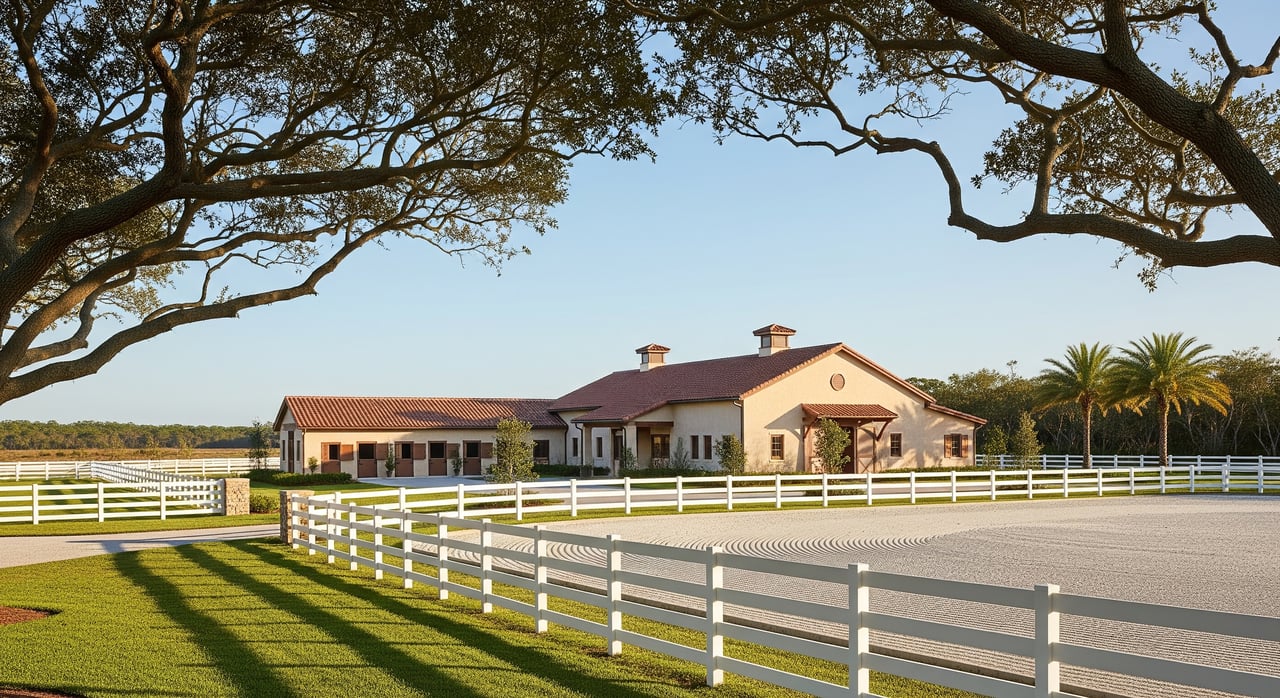
- Equestrian features. Stables, arenas, paddocks, and fencing add value for buyers seeking the horse lifestyle.
- Tax treatment. An agricultural classification can reduce property taxes if you qualify and maintain compliance, which supports holding costs.
Buyer checklist: what to verify
Use this list to move from browsing to a confident offer and clean due diligence.
- Confirm land use and zoning. Ask the county planning office for the parcel’s Future Land Use and zoning. Verify what animals and accessory structures are allowed.
- Review legal description and records. Check recorded covenants, restrictions, and easements that might limit barns, fencing, or business use.
- Verify access. Confirm frontage and any recorded ingress or egress easements. Understand who maintains the road and how costs are shared.
- Map utilities. Learn if municipal water is at the road, whether a permitted well exists, the septic type and permit status, where electric service is located, and internet options.
- Order a survey. Get boundaries, easements, and encroachments in writing.
- Evaluate soils and drainage. Have a site and soil evaluation for septic feasibility and pasture drainage. In South Florida, look for a shallow water table and wetland indicators.
- Check flood status. Review FEMA flood maps and seek an elevation certificate if available. Estimate flood insurance needs and costs.
- Assess wetlands and environmental limits. Consult county and water management staff about wetlands, buffers, or drainage rules. Consider delineation if there is doubt.
- Understand building limits. Ask about setbacks, height limits, accessory structure rules, and whether future subdivision is possible.
- Confirm tax classification. If you plan a bona fide agricultural use, discuss agricultural classification eligibility and documentation with the county property appraiser.
- Price insurance. Get quotes for home, windstorm, flood, and liability coverage, especially if you plan to keep animals.
- Talk to lenders. Confirm financing terms for rural properties with well and septic, and seek pre-approval.
After you go under contract
- Permit and code review. Check county files for permits and any open code issues.
- Well and septic inspections. Hire licensed contractors for septic inspection and water testing.
- Environmental review. Order additional assessments if past uses suggest contamination or if wetlands are present.
- Title search. Confirm clean title and watch for agricultural leases or rights.
Where to search and confirm details
- Find listings. The local Multiple Listing Service is the most up-to-date source for active properties and comparables. National real estate portals and land-focused marketplaces can help you scout options and set alerts. Use filters for lot size, “acreage,” “horse property,” “barn,” “pasture,” and similar terms.
- Use the parcel number. Cross-reference the parcel number with county records to confirm details.
- Verify with local agencies. County planning and building departments provide Future Land Use and zoning maps, development codes, and permit records. County health departments handle septic and well permits. The regional water management district covers water-use and drainage matters. The county property appraiser and Florida Department of Revenue publish agricultural classification guidance.
- Read listings carefully. “Ranchette” is a marketing term. Always confirm permitted uses and restrictions for the specific parcel.
Ready to plan your ranchette?
Whether you are eyeing a 2 to 5 acre equestrian hideaway near town or a 10 acre hobby farm with room to expand, the right guidance makes all the difference. You want a clear path from zoning to utilities to closing, plus a plan for stewardship that preserves value over time. Our team pairs local land legacy with premium marketing and thoughtful deal structures so you can secure the right property and start using it on day one.
If you’re exploring ranchettes in Palm Beach or Martin Counties, let’s talk through options, from on-market listings to private showings and off-market workflows. Start your search with Pioneer Land | Hunting | Ranches | Conservation.
FAQs
What size is a Florida ranchette?
- In South Florida, most ranchettes fall between about 1 and 10 acres, with many popular choices in the 2 to 5 acre range.
Can I keep horses or livestock on a ranchette in Palm Beach or Martin County?
- It depends on the parcel’s zoning, any overlays, and recorded covenants, so confirm allowed animals and facility standards with the county before you buy.
Do ranchettes have city water and sewer service?
- Many rely on private wells and septic systems, though some areas have municipal water at the road; always verify utility availability early.
What is Florida’s agricultural classification for taxes?
- If you establish bona fide agricultural use and meet county requirements, you may qualify for an agricultural classification that can lower property taxes.
How do I evaluate flood risk on a rural parcel?
- Review FEMA flood maps, check site elevation, and factor in any building elevation or drainage requirements that may apply.
Is financing harder for ranchettes than for typical homes?
- Some lenders are more selective with rural properties, especially those with well and septic or private road access, so speak with a lender early and get pre-approval.
What is the difference between a ranchette and a full ranch?
- Ranchettes are small-acreage, lifestyle-focused properties with modest infrastructure, while full ranches are larger, commercial operations with extensive facilities and regulatory obligations.