Ever wonder what a day on a Florida ranch really looks like? You want the privacy, the wildlife, and the space to roam, but you also want a clear picture of the work, costs, and rules that come with acreage. In this guide, you’ll see the daily rhythms, seasonal realities, key permits and insurance, and a smart checklist to use before you buy. Let’s dive in.
Florida ranch types at a glance
Florida offers a wide range of ranch properties. You’ll see small hobby acreage of 5 to 20 acres, mid-size ranchettes of 20 to 200 acres, and large working ranches that span hundreds to thousands of acres. Layouts vary, from open pasture to pine flatwoods with ponds and wetlands.
Regions and what they mean
- South central: Okeechobee and the Kissimmee River valley feature flat lowlands and a long cattle tradition. Seasonal wetness and flood risk can be higher in places.
- Central and north central: Marion, Alachua, and Levy counties mix horse and beef operations with rolling sandhills, lakes, and a strong riding culture.
- North Florida and the Panhandle: Cooler winters with more pine forests and timber-ranch blends.
- Interior southwest: Hendry and Glades have subtropical conditions with hay and citrus alongside cattle.
Typical features you’ll find
- Pasture grasses like bahiagrass and bermudagrass, with pockets of hammocks or pine.
- Water features such as stock ponds, creeks, drainage ditches, and natural wetlands.
- Infrastructure ranging from perimeter and cross fencing to barns, hay storage, corrals, and handling facilities on working ranches.
- Utilities that often include a private well and septic, overhead electric, and variable internet options.
Daily life on the ranch
Morning and evening routines
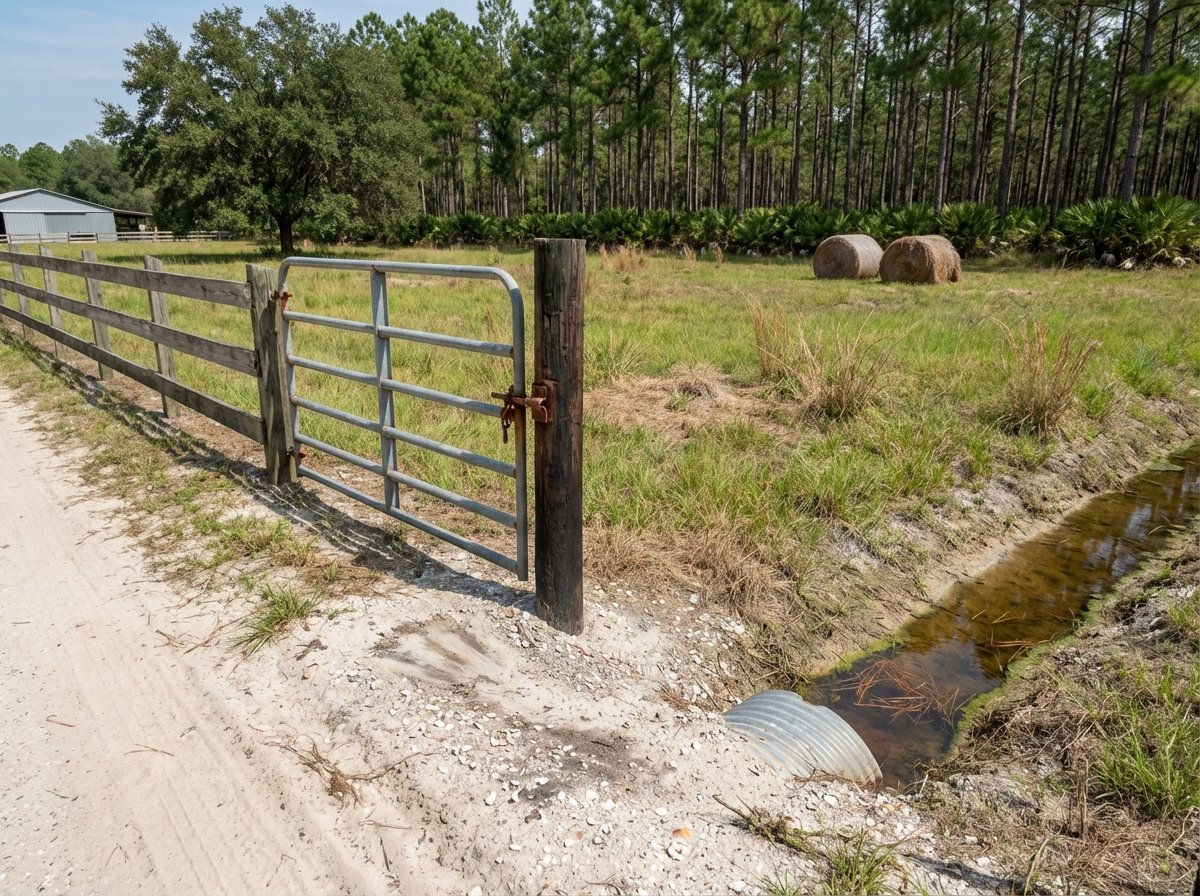
Most days start and end with checks on animals, waterers, and fence lines. You’ll open and secure gates, scan for health issues, and confirm feed and mineral supplies. Equipment upkeep is part of the rhythm, from tractors and mowers to road and pond maintenance.
Seasons in Florida
- Spring: Pasture growth surges. You’ll expand grazing rotations and watch parasites and birthing schedules.
- Summer: Heat, insects, and storm prep dominate. You’ll manage water availability and secure loose equipment ahead of tropical systems.
- Fall: Many ranches wean and vaccinate calves, renovate pastures, and time hay cutting.
- Winter: Cooler weather is ideal for repairs, planning, and light pasture growth windows.
Livestock choices and care
- Beef cattle: Florida’s most common large-livestock enterprise. Expect rotational grazing, routine herd health work, and facilities for safe handling.
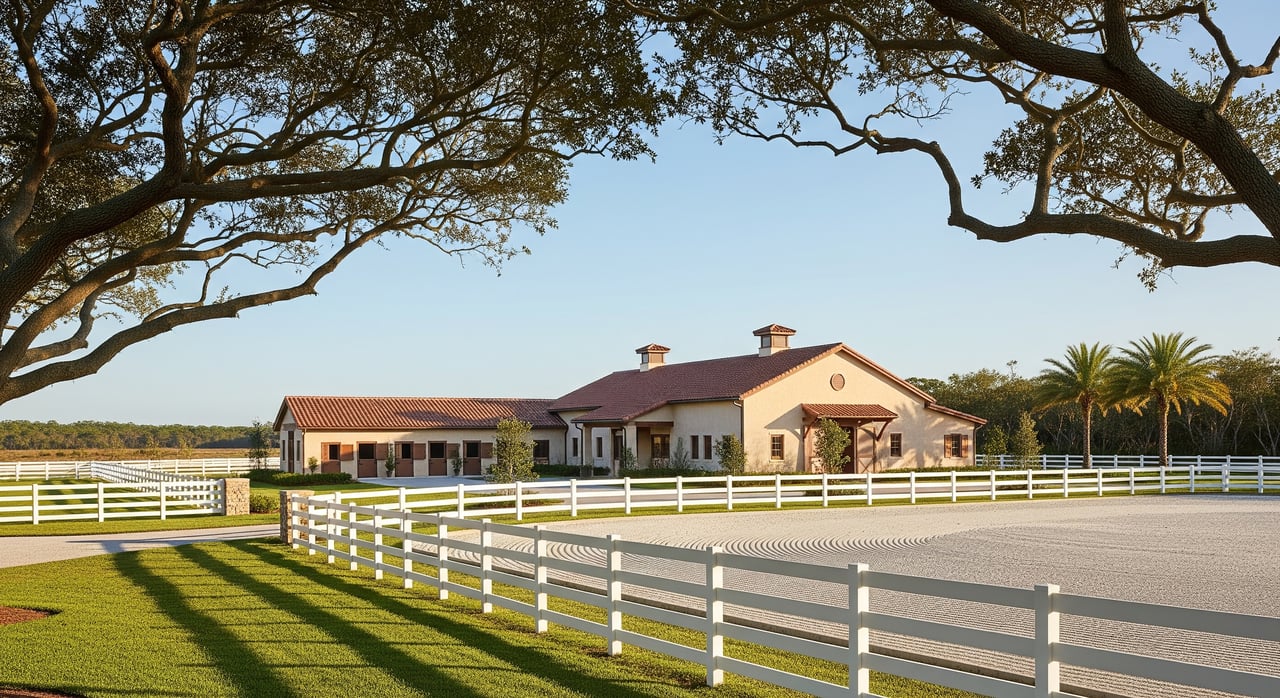
- Horses: More daily hands-on care such as grooming and stall cleaning, plus higher facility standards for barns and arenas.
- Small livestock and poultry: Goats, sheep, and chickens fit many hobby setups, but you’ll plan for predator control and regular feeding.
- Exotics and game: Specialized fences, permits, and additional insurance may be required.
Recreation and community
Many owners combine work with play. On-property opportunities can include horseback riding, fishing in ponds, ATV trail riding, and wildlife viewing. Local networks, ag fairs, and rodeos create a strong social fabric for horse and cattle communities.
Land, water, and habitat
Wetlands and permits
Florida’s flat landscape means many ranch parcels include or border wetlands. If you plan to alter wetlands or drainage, permitting may be required through the Florida Department of Environmental Protection. Plan early so your project design, habitat goals, and compliance align.
Pasture and soils
Soils range from deep sands to heavier clays, which affects pasture health, septic suitability, and pond construction. Rotational grazing supports forage vigor, while fertilizer and lime can help sandy soils stay productive. Use the NRCS Web Soil Survey to review soil maps before you buy.
Fire as a management tool
Prescribed burning is common in Florida to reduce fuel loads and maintain pasture and wiregrass habitats. Rules vary by county, and planning is essential. The Florida Forest Service offers guidance on permitting, burn plans, and best practices.
Wildlife and pests
You will see wildlife, which is a big part of the appeal. Feral hogs can damage pastures, and insect and parasite pressure rises in warm months. For hunting rules, wildlife management, and invasive species information, consult the Florida Fish and Wildlife Conservation Commission.
Utilities, access, and internet
Most rural parcels rely on wells for water and septic systems for waste. Electric service is often overhead, and you may have distance-to-pole or service-extension costs. Many ranch homes use propane for heating and cooking. Rural internet varies, with fixed wireless, fiber in select corridors, and satellite common in remote areas.
Access matters. You’ll confirm that driveways, private roads, and easements are deeded and clear. If there is a shared road, look for a maintenance agreement so responsibilities are defined.
Costs, insurance, and risk
Budget categories to plan for
- Property taxes, which may be reduced if you qualify for an agricultural classification.
- Insurance for homes, ranch liability, wind and hurricane, and flood where needed.
- Operations like feed, vet care, fuel, equipment maintenance, fences, weed control, and hired labor or contract services.
- Capital items such as wells, septic upgrades, barns, corrals, and heavy equipment.
Flood and wind realities
Many parcels include flood-prone areas, especially near wetlands or lowlands. Lenders may require flood insurance, and you should verify exposure using the FEMA Flood Map Service Center. For wind and hurricane risk, consider wind mitigation features and secure storage for equipment during storm season.
Taxes and agricultural classification
Florida offers an agricultural classification for bona fide agricultural use that can reduce property taxes if you meet the criteria. Rules and application processes vary by county. To understand statewide guidance and connect to local requirements, start with the Florida Department of Revenue.
Financing paths
Ranch financing can look different than suburban mortgages. Some lenders underwrite acreage with stricter standards and may require surveys, appraisals, and proof of insurability. Programs for certain buyers and operations are available through the USDA Farm Service Agency. Conventional rural mortgages, USDA rural housing loans for eligible buyers, and agricultural lenders that specialize in farm and ranch operations are common options.
Smart due diligence
Pre-purchase checklist
- Confirm deeded access and any road maintenance agreements.
- Get a recent survey and compare boundary lines with existing fences.
- Verify zoning and allowed uses, including livestock and potential for subdivision.
- Review wetlands, prior permits, or delineations, and ask about any restrictions.
- Verify water sources, well logs, pond permits, and dry-season performance.
- Inspect the septic system for capacity, location, and permitted design.
- Check utilities, including distance to the nearest power pole and realistic internet options.
- Evaluate fence condition, pasture acres versus total acres, and working corral systems.
- Pull soil maps via the NRCS Web Soil Survey and ask about fertilizer and lime history.
- If timber value matters, get an inventory or appraisal and confirm local rules.
- Obtain insurance quotes and review flood exposure with FEMA maps.
- Request operational records such as herd logs, veterinary records, and equipment lists.
Site visit tips
- Visit early and late to observe water, wildlife, and neighbor activity patterns.
- Walk fence lines and handling facilities with a contractor or experienced rancher.
- Ride or drive boundary roads to confirm access and understand neighbor uses.
- Ask for maintenance logs, fertilizer herbicide history, and recent aerial imagery.
Is ranch life right for you?
The rewards are real. You get privacy, wildlife, and the chance to build a legacy with land that produces recreation and value. It also takes daily attention to water, fences, and animals, plus planning for weather, insurance, and long-term improvements. With the right preparation and the right property, the lifestyle becomes sustainable and deeply fulfilling.
If you’re ready to explore Florida ranch properties, we can help you evaluate buildable acreage, access, utilities, and habitat fit, then coordinate private tours and off-market opportunities when available. Start a conversation with Pioneer Land | Hunting | Ranches | Conservation.
FAQs
Can you keep cattle or horses on Florida ranch land?
- Most counties allow livestock on agricultural parcels, but you should verify local zoning, any deed restrictions, and ensure proper fencing, water, and handling facilities.
Are wetlands a deal-breaker when buying Florida acreage?
- Not necessarily. Wetlands can limit building and may require permits for alterations, but they also add habitat and water retention value if properly understood and managed.
How much time does ranch maintenance take in Florida?
- Even 5 to 20 acres require regular daily checks, while larger operations need significant weekly labor with seasonal peak work. Many owners outsource some tasks.
How do you check flood risk before buying?
- Review the parcel in the FEMA Flood Map Service Center, then confirm with your insurer and lender. Walk the land after heavy rain to observe drainage patterns.
What internet options are realistic on rural ranches?
- Many ranches rely on fixed wireless, fiber where available, or satellite. Cellular coverage varies by area, so test on-site before closing.
Where can you find official guidance on agriculture and land management?
- The Florida Department of Agriculture and Consumer Services is a strong starting point for statewide resources and contacts. Explore FDACS programs and divisions for links to forestry, wildlife, and conservation assistance.