Dreaming of a small pasture, a big garden, and room for a barn near Chiefland? You are not alone. Many buyers look to Levy County for a ranchette that blends privacy, outdoor recreation, and practical access to town. In this guide, you will see where these properties tend to cluster, what land traits to expect, how to evaluate access and utilities, and a clear checklist to shop with confidence. Let’s dive in.
Where ranchettes cluster around Chiefland
Suwannee River and Manatee Springs corridor
Parcels north and northwest of Chiefland near the Suwannee River and Manatee Springs State Park draw buyers who want easy access to springs, paddling, and wildlife. You will find a mix of small tracts and mid-size holdings tucked along rural roads. Properties closer to river corridors can have more wetlands and flood concerns, so plan to confirm buildable areas early. Seasonal traffic can tick up near park access points, which is a tradeoff for quick recreation.
Rural county road corridors
Ranchettes often line county roads and state routes that radiate out from town. These corridors offer 1 to 40 acre parcels with a blend of pasture, scattered pines, and hardwood edges. Many sites have straightforward driveway access and nearby power. The farther you get from town centers, the more likely you are to find graded dirt roads instead of pavement.
Southern and coastal-facing tracts
To the south and southwest toward the Waccasassa River, salt marshes, and the Cedar Key area, you will find rural tracts that appeal to buyers who want coastal day trips and Gulf fishing. Expect a mix of open pasture and timber edges with pockets of wetlands. Access can be on longer stretches of graded roads, so ask about maintenance and storm resilience.
Former timber and pasture blocks
A large share of ranchettes come from former timberland or cattle pasture that has been subdivided. These areas can produce contiguous offerings where neighbors keep small herds, ride horses, or maintain hobby orchards. Lot sizes vary by the original land plan and zoning, so check the recorded surveys and plats. These blocks can offer a consistent landscape character that works well for small-scale rural living.
Parcel sizes, zoning, and land traits
Common ranchette sizes
- Small ranchettes: 1 to 5 acres. Enough room for a home, barn or shed, a paddock, and gardens with manageable upkeep.
- Mid-size ranchettes: 5 to 20 acres. Space for multiple paddocks, small pasture rotations, or a mix of woods and open ground.
- Larger hobby ranches: 20 to 80 plus acres. More privacy and room for cattle, timber management, or trail systems.
You will often see availability concentrate in the 5 to 40 acre range, though inventory shifts with the market. Match the acreage to how you plan to use the land, not just the price per acre.
Zoning and agricultural use
Most ranchettes fall under agricultural or rural residential zoning that allows livestock and outbuildings. Confirm permitted uses, setback rules, and accessory structure standards with the county. If you plan to operate a commercial agricultural activity, ask whether separate permits apply. Florida also offers agricultural property tax classifications for bona fide agricultural use. If you expect to apply, review the criteria in advance and track your documentation.
Soils, topography, and wetlands
Levy County soils range from well-drained sandy uplands to poorly drained flats with shallow water tables. Wetland complexes are common, especially near rivers and springs. For any specific parcel, obtain a soils map and consider a site evaluation for septic and well feasibility. If wetlands are likely, a delineation helps you identify buildable pads, driveway routing, and fencing plans.
Access and utilities reality
Road access and driveway basics
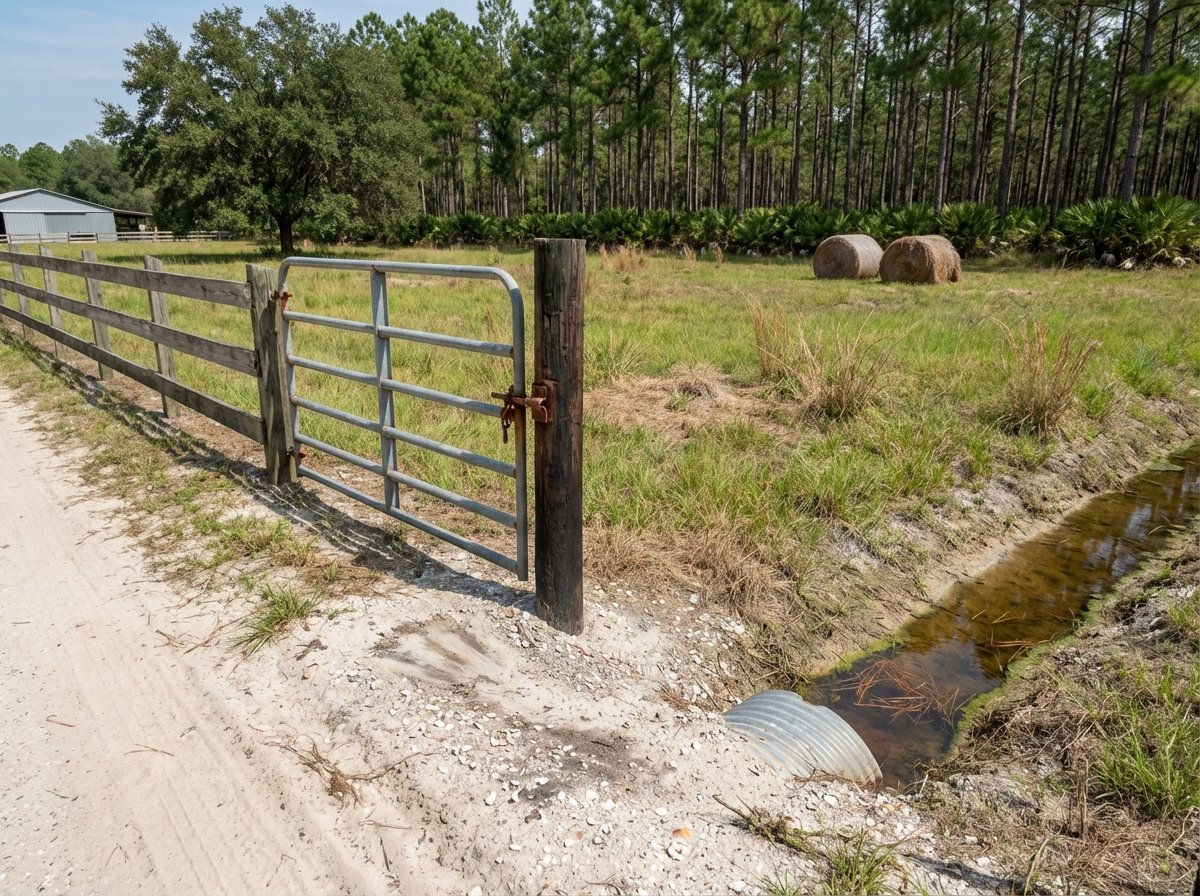
Ranchettes may front paved county or state roads, county-maintained graded roads, or private easements. Always confirm whether your road is county-maintained or private. If it is private, review any road maintenance agreement and cost sharing. Many sites require a driveway permit and culvert, so check with Public Works before you break ground.
Water and wastewater
Outside Chiefland’s municipal service area, private wells and septic systems are the norm. Verify that septic is permitable for your planned bedroom count. A soil evaluation can confirm suitability and help size the system. Well feasibility varies with aquifer conditions, so ask drillers about expected depths and lead times.
Power and communications
Rural electric service is generally available, but some parcels require a new pole or line extension. Get a written estimate for hookup cost and timeline. Broadband coverage is variable in deeper rural pockets. If you plan to work from home, confirm available providers, speeds, and whether satellite or fixed wireless will be needed.
Emergency services and permits
Drive times to hospitals and emergency services are longer in rural zones. Check your likely response times using mapping tools. Plan for building, well, septic, and driveway permits, along with inspections, during your construction timeline.
Recreation and natural amenities
Springs and the Suwannee River
Manatee Springs State Park and the Suwannee River are major draws near Chiefland. You can swim, tube, paddle, or watch wildlife within a short drive from many ranchettes. Properties near these corridors often command a premium for easy public access. Proximity to rivers can also increase flood and septic considerations, so balance location with feasibility.
Public lands and wildlife areas
The Lower Suwannee National Wildlife Refuge and nearby wildlife management areas add year-round options for hunting, birding, and paddling. Access to public lands can enhance your lifestyle and long-term resale appeal. Adjacency to public land can also shape how the county views subdivision potential in the future.
Coastal day trips
Cedar Key and the Gulf offer saltwater fishing, shelling, and coastal dining within a rural drive. If time on the water matters to you, focus your search toward the county’s southern and western corridors. Expect more graded road segments as you get closer to marsh and river systems.
Due diligence checklist for ranchette buyers
Use this list to structure your shopping and contract timelines:
Parcel boundaries and access
- Confirm deeded legal access and ask for a title commitment to check recorded easements.
- Verify whether the road is county-maintained or private. Review any road maintenance agreements.
Utilities and services
- Ask whether public water or sewer is available. If not, obtain a septic site evaluation and confirm well feasibility.
- Contact the electric provider for service availability, pole or line extension costs, and timing.
- Check broadband and cellular coverage for your work and streaming needs.
Soils, flood, and environmental
- Pull an NRCS soils map and consider a wetlands review if indicators are present.
- Check FEMA flood maps for flood zone status and insurance implications.
- If you are near springs or rivers, verify setbacks and any riparian buffers.
Zoning, covenants, and agricultural status
- Confirm county zoning, permitted uses, setbacks, and accessory building rules.
- Review deed restrictions, HOA covenants, or conservation easements.
- If you plan to claim agricultural tax status, confirm qualifying activities and documentation with the Property Appraiser.
Fencing, livestock, and ordinances
- Check any local fencing standards and animal ordinances before you build.
- Clarify boundary line responsibility with neighbors if existing fence lines are unclear.
Taxes, insurance, and costs
- Ask about current property tax assessments and how agricultural classification could affect them.
- Obtain quotes for homeowner, farm liability, and flood insurance where applicable.
Services and commute
- Estimate drive times to groceries, schools, and medical services. Confirm realistic times with a map for the specific address.
Future development and resale
- Note proximity to parks and public access points, which can support resale.
- Ask the county about any planned road upgrades, utility expansions, or rezoning that may affect your parcel.
How Pioneer Land helps you find the right ranchette
You deserve a property that fits your lifestyle and your long-term plans. Our team takes a stewardship-first approach that blends lifestyle goals with practical due diligence. We map clusters of 5 to 40 acre parcels, screen for utilities and access, and flag soils, wetlands, and flood considerations so you focus on buildable outcomes.
We also source off-market opportunities and structure owner-financing options when sellers offer them. For buyers who value privacy, recreation, and future flexibility, we bring both narrative and technical clarity to the search. You will see detailed parcel insights, video walk-throughs, and a clear path from first tour to closing.
Ready to explore ranchettes around Chiefland and Levy County? Connect with the team at Pioneer Land | Hunting | Ranches | Conservation to Start Your Land Legacy.
FAQs
What is a ranchette near Chiefland?
- A ranchette is a small-scale rural parcel, often 1 to 40 acres, suitable for a home, barn or shed, paddocks, and hobby agriculture.
Where are ranchettes most common around Chiefland?
- You will often find them along rural county and state road corridors, near the Suwannee River and Manatee Springs, and in former timber or pasture blocks.
Will I need a well and septic system?
- Outside Chiefland’s municipal service areas, most parcels rely on private wells and septic systems, so verify septic permitability and well feasibility early.
How do I confirm legal access and road maintenance?
- Review the deed and title commitment for easements, then ask whether the road is county-maintained or private, and obtain any road maintenance agreement in writing.
Can I keep livestock or operate a small farm?
- Check county zoning for permitted uses and setbacks; commercial agricultural activities may require additional permits or business licensing.
How do soils and wetlands affect building?
- Soil type and wetland presence shape septic suitability and buildable pad location; obtain a soils map and consider a wetlands review before closing.
Is electricity available at the road?
- Contact the local electric provider to confirm service, pole locations, and any costs for line or pole extensions to your homesite.
What about flood risk near the river or springs?
- Check FEMA flood maps to understand zone status and any insurance needs, and verify setbacks and buffers if you are near waterways.